
Emergency Proclamation Issued for Walla Walla Water Supply Area
Late last week, WA Governor Ferguson declared a state of emergency for the water supply that provides over 75 percent of the city's water. The area is circled in red in the picture.
Emergency Declaration Means Walla Walla Can utilize a wider range of help, including US Army Corps of Engineers and other Federal options.
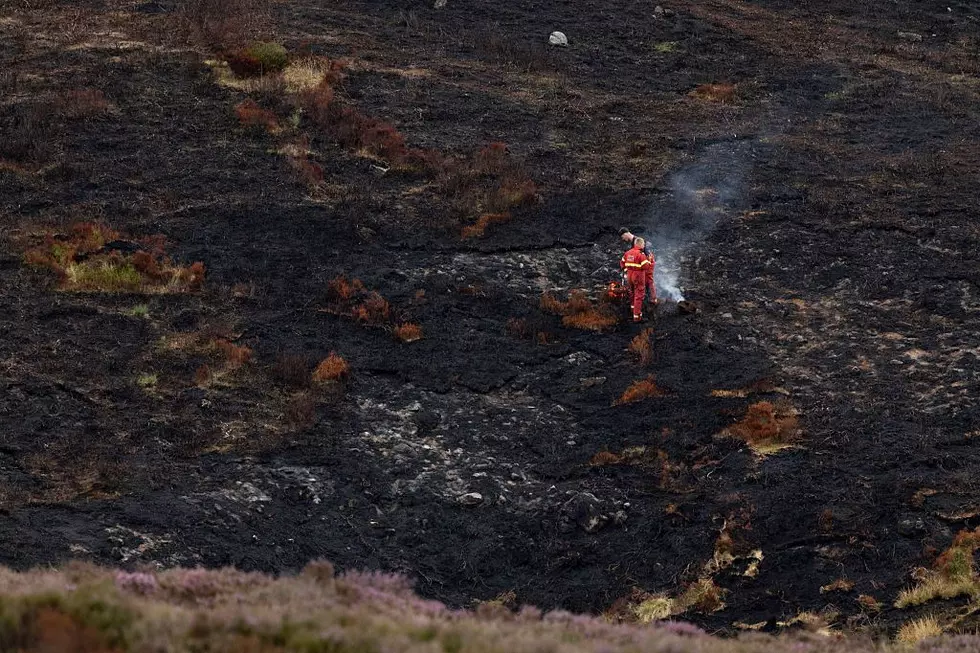
The Paradise Fire, which began July 16th due to lightning, has damaged a lot of acreage in the 36-square-mile watershed, or area where the water that goes into Mill Creek comes from.

Mill Creek;s headwaters begin about 17 miles southeast of Walla Walla. The stream flow provides the bulk of the 14 million gallons needed daily by the city. The rest is filled in with six wells in the area.
Emergency Declaration Due to Damage to Watershed
The Paradise Fire is about 15 percent contained, it's over 8,000 acres and several hundred firefighters battling the blaze. So far, the watershed is still intact, but there are concerns that ash, smoke and other pollutants could have contaminated some of the water. It's being subjected to additional testing to ensure its safety.
The wells are not always needed, but Officials are preparing if the Watershed goes down. However, the Emergency Declaration means resources are available to deal with it quickly if it happens.
LOOK: The most expensive weather and climate disasters in recent decades
Gallery Credit: KATELYN LEBOFF
More From 870 AM KFLD


![What is Defensive ‘Firing’ (Firefighting), See How It Helps Firefighters Win vs.Wildfires [VIDEO]](https://townsquare.media/site/136/files/2026/08/attachment-defensive-firefighting-umatilla-c-s-o-2.JPG?w=980&q=75)