
Why Will WA Employer-Provided Healthcare Costs Jump 14 Percent in 2027?
There isn't one simple reason, there's several, and some that might surprise you.
New Study Shows Average Cost of Employer-Provided Healthcare to Bounce Up
KKF is a leading national healthcare research and policy analysis firm, and a recently released study shows the drivers behind cost increases.

Get our free mobile app
In WA as well as other states, here's some of the primary movers.
- Rising Underlying Medical Costs, and Increased Healthcare Utilization. Whether it's medication or doctor or test costs, they're all becoming more expensive. And, more people are utilizing their plans. Premera Blue Cross, a big insurer in WA, says "more expensive healthcare services" are driving it.
- Behavioral Health Services. For years, many policies offered counseling, and other behavioral health coverage, but a lot fewer people utilized it 15, even ten years ago. That, say several major insurance companies, has changed.
- Declining Enrollment in Fully Insured Programs. Especially among 'smaller' companies, or what are known as small group enrollees, they are opting for lower-cost, lower coverage plans because they have a younger "healthier" workforce. That, in turn, dumps more burden on the remaining subscribers who continue to offer bigger, but more expensive coverage plans.
- High Cost Specialty Drugs, or Biologics. We see daily on TV and online, new 'wonder' drugs that battle everything from cancer to heart disease and more. A lack of generic equivalents hurts, but it's the growing number of these new drugs that help drive up costs.
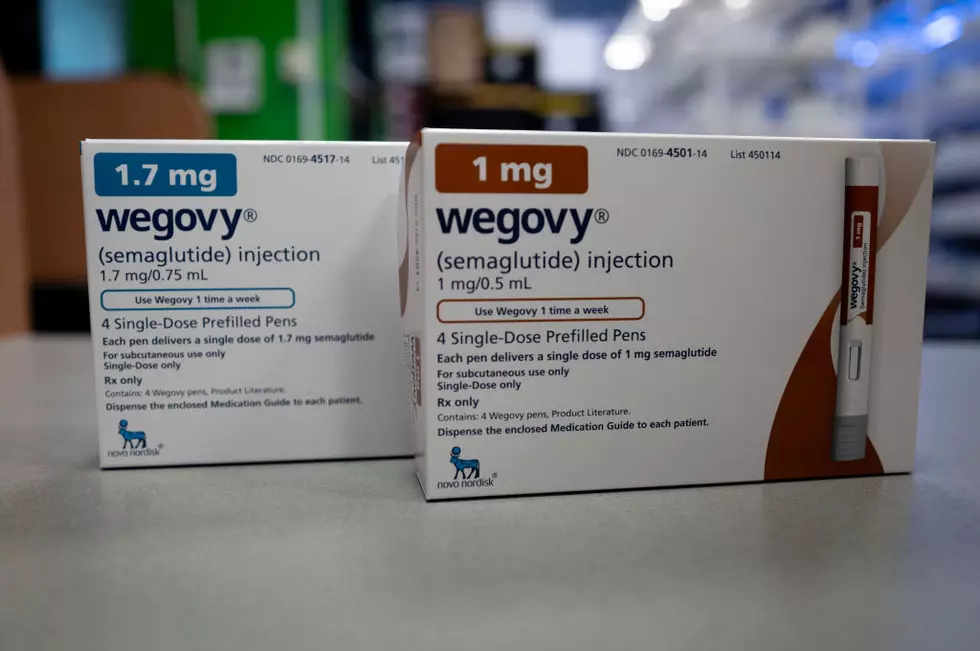
- GLP-1 and Weight Loss Drugs Many, if not most insurance companies have stopped offering coverage for these drugs for weight loss. We've heard the stories how these medicines originally designed to battle diabetes or other ailments, are now sometimes more prescribed for weight loss. Many insurance plans now only cover GLP's for diabetes. And, a lack of generic replacements is keeping the prices up. Authorities say many of the low-cost GLP alternatives lack the full power and effectiveness of the 'real thing.'
The study, and national figures show about 165 million Americans have some sort of employee--offered healthcare, but it differs widely from company to company, as evidenced by this report.
Either way, WA residents can expect noticeable bumps next year in their health plans.
KEEP READING: See 25 natural ways to boost your immune system
More From 870 AM KFLD